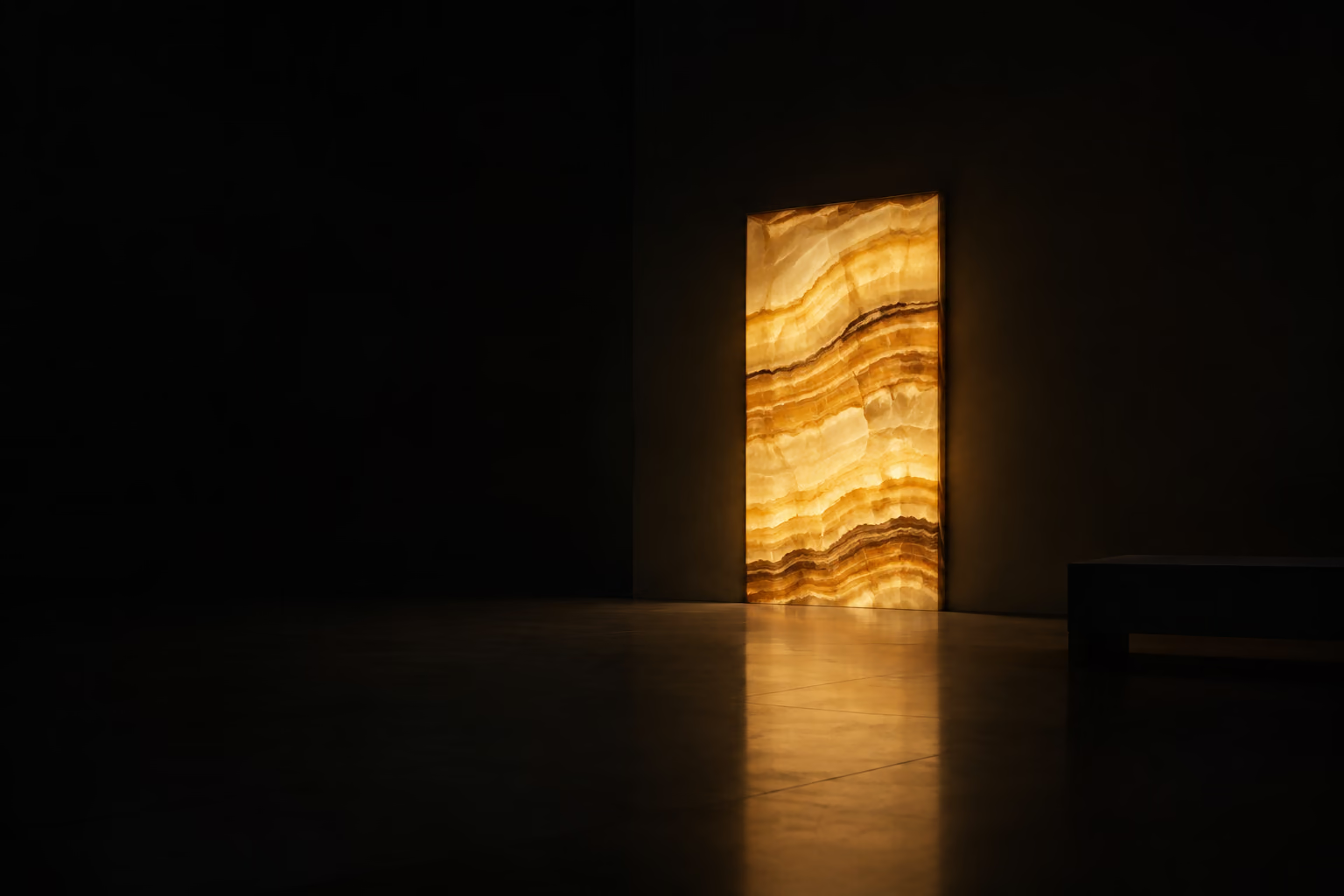
Onyx
Lumen Collection
Translucent onyx — the rarest material in the house, and the most demanding.
Stones in this collection
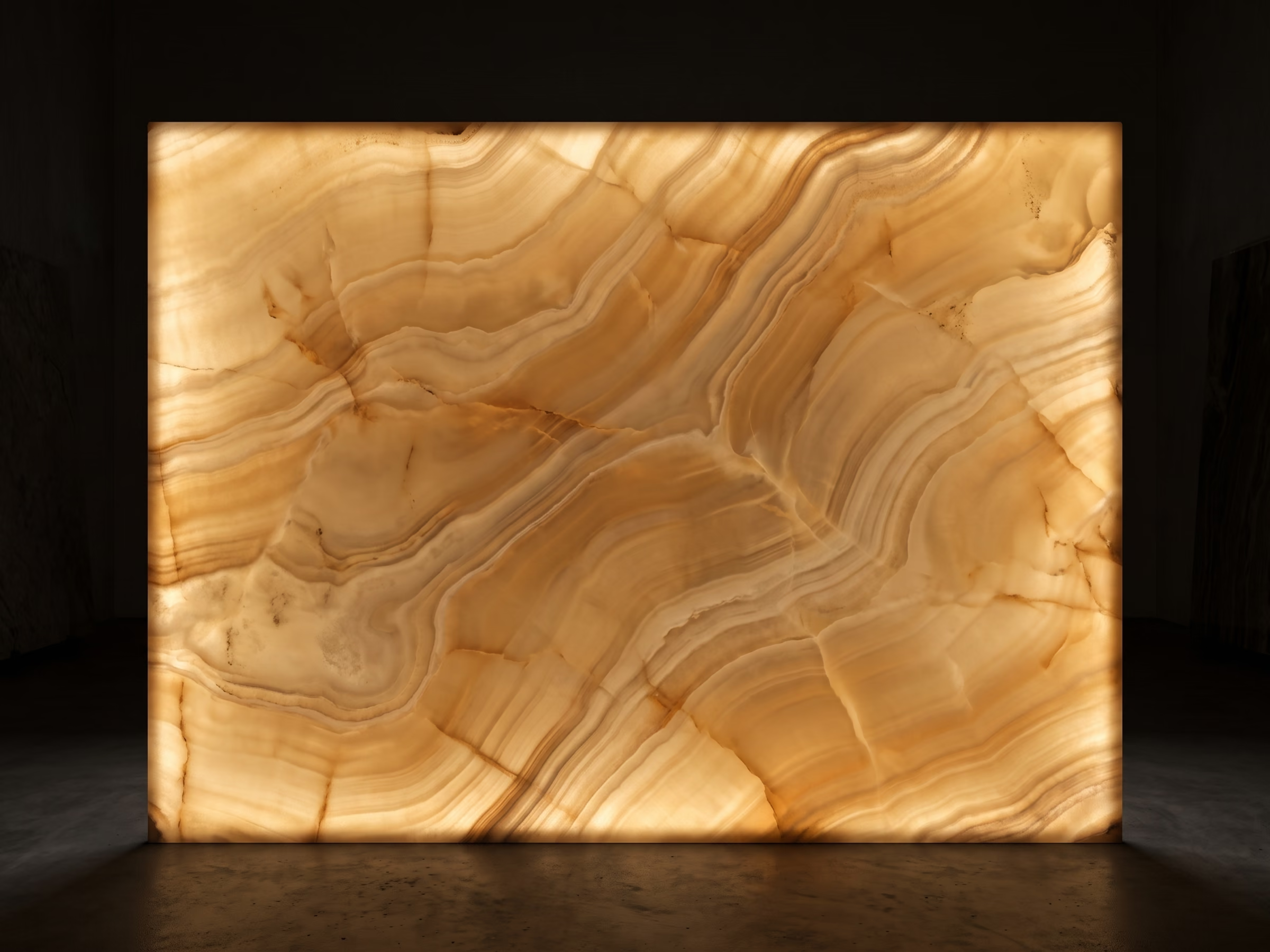
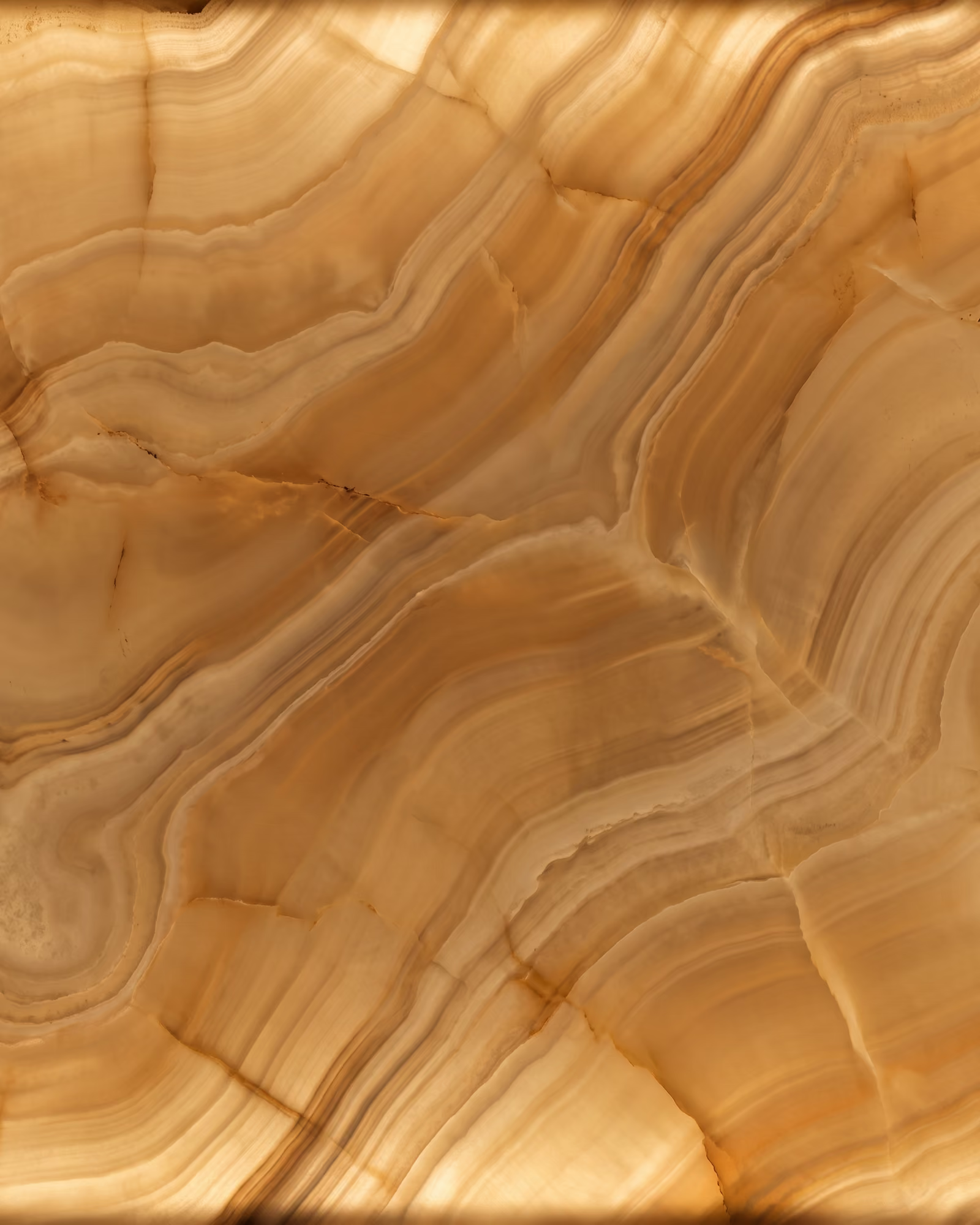
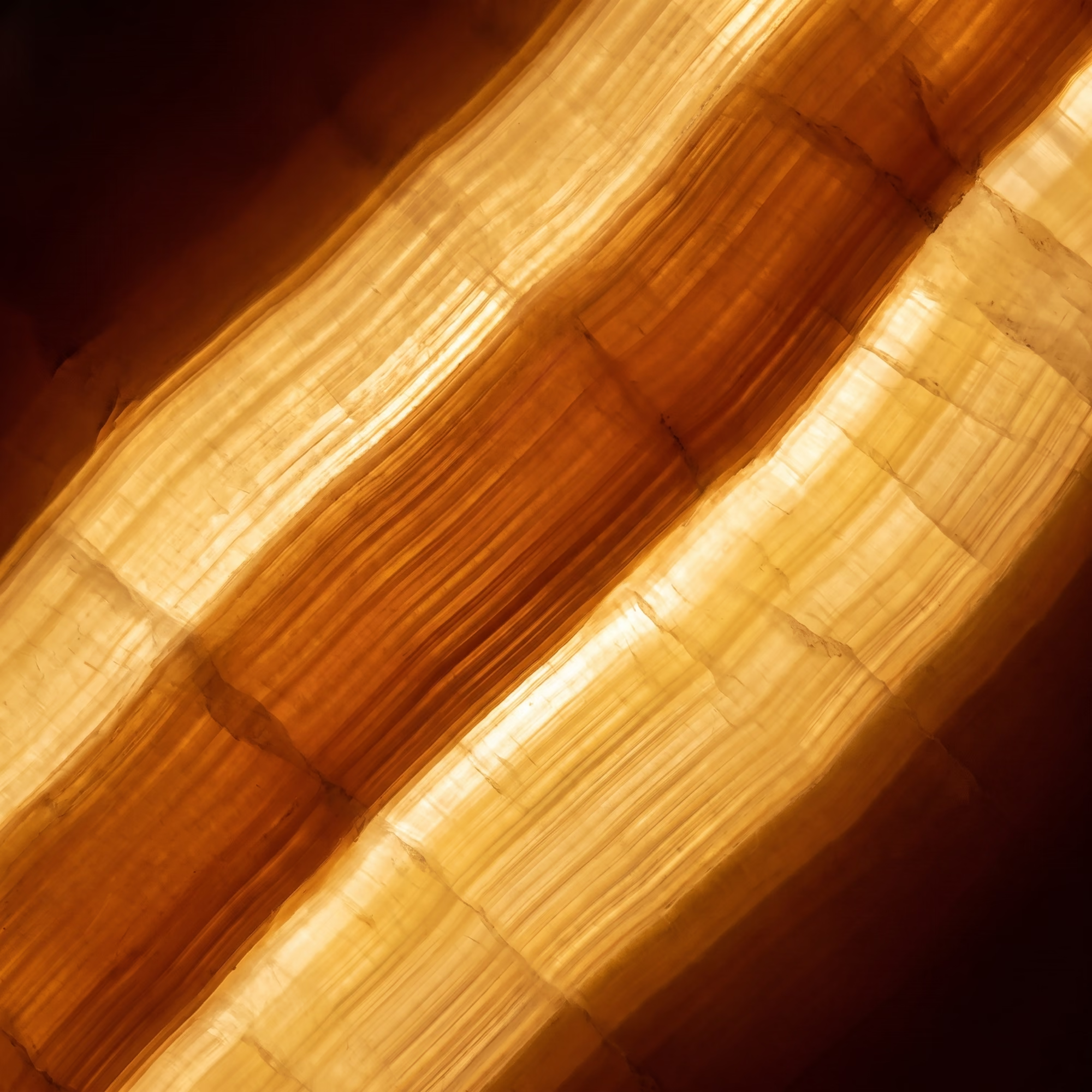
Onyx · YMZ-ONX-SLM-006
Sahara Lumen
A warm amber onyx that transmits light as banded, layered depth.
Onyx · YMZ-ONX-NJD-007
Numidian Jade
A green onyx with cool translucency and fine crystalline banding.
Onyx · YMZ-ONX-HGR-014
Hoggar Rose
A pale rose onyx that transmits a warm pink light rather than amber.
Onyx is the only stone we sell where the assembly matters as much as the slab.
Lit from the front it is a banded decorative stone. Lit from behind it stops being a surface and becomes depth. Everything about how we handle Lumen follows from that: small lots, slab-level selection, and a conversation about the lighting cavity before a drawing is issued. We would rather turn down a specification than supply onyx into a detail that will make it look like a lightbox.
The collection at a glance
Where the light comes from
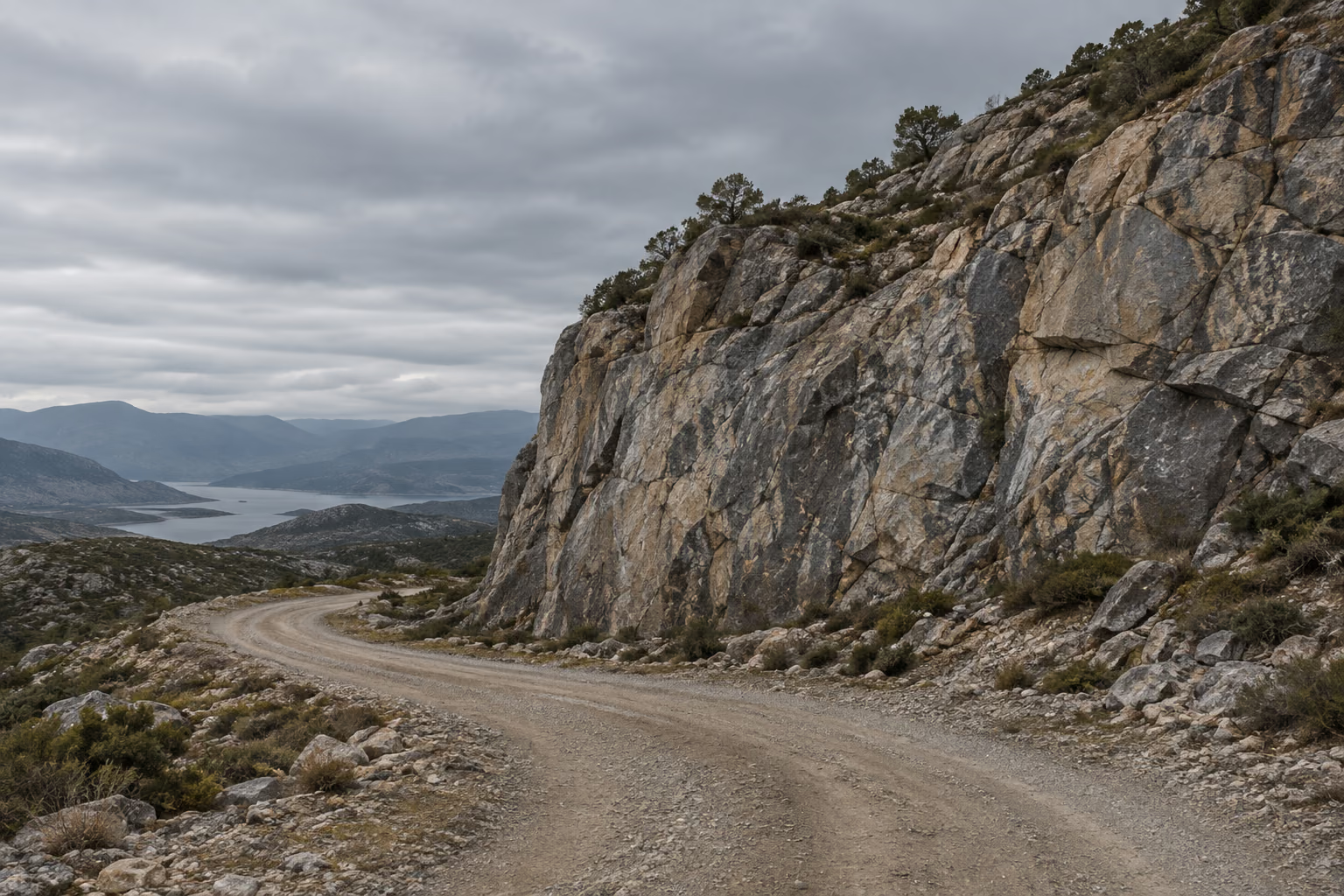
Onyx is not marble and does not behave like it. It forms where mineral-charged water precipitates slowly around springs, layer on layer, each band a record of a different season of deposition. Those bands are what transmit light — and they are also why the material is structurally demanding: it is layered, and layers can be persuaded to part.
Algeria's central platforms produce onyx in honey and amber, and, more rarely, in the cool green-grey that reads closer to water than to fire. Blocks are small by the standards of the other families and sound blocks are rarer still, which is why a lot that can be bookmatched across a bar front is worth reserving the moment it is found.
We publish the region and nothing more precise. Site identity is a contractual position that runs both ways.
From block to finished piece
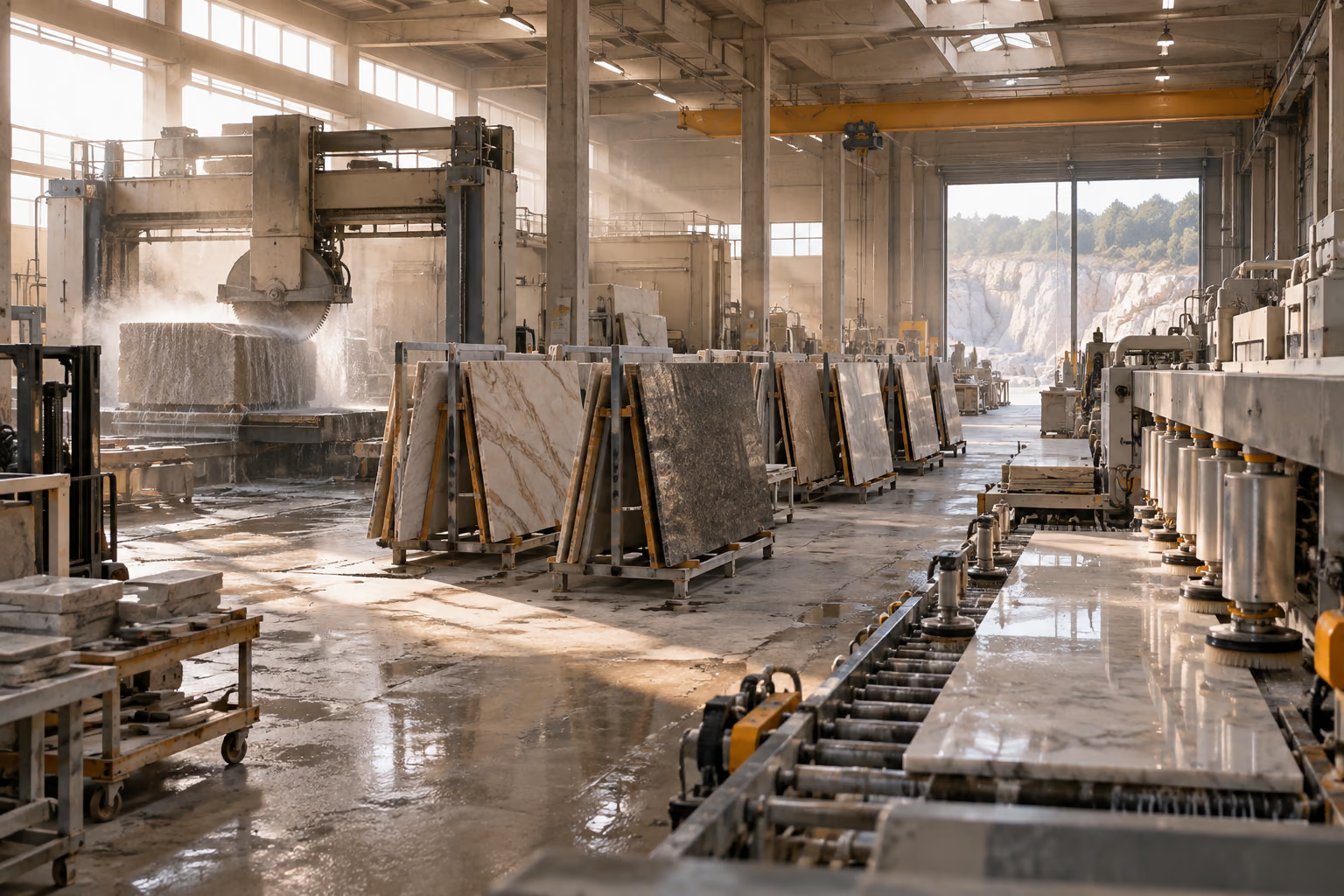
Blocks, slabs and finished panels — reinforced, edge-worked and delivered ready for the backing detail. Onyx almost always carries resin and mesh reinforcement; its absence in this family would be the warning sign, not its presence, and it is declared against the lot rather than discovered in the workshop.
The backing detail decides the result more than the slab does. Cavity depth, diffusion layer and fixing method are what separate luminous stone from a lightbox with a pattern on it, and we would rather have that conversation before the panel is cut.
The material
Translucency varies with thickness, banding direction and the mineral itself. Twenty millimetres is the working thickness for transmission; thicker sections read denser and warmer. Amber onyx warms a room; green onyx cools it toward water. Because the material is scarce and lots are small, the honest sequence is reversed from normal specification: secure the slabs first, then design to them.
Applications
Backlit statement walls, bar and reception fronts, feature panels, and small-format vertical surfaces. Onyx does not go on floors, in wet areas, in high-traffic circulation or on façades. Every backlit assembly should be prototyped — cavity depth, diffusion layer and fixing method decide the result more than the stone does.
Technical documents
Supplied in 20 mm and 30 mm slabs. Onyx is softer and more fracture-prone than marble or granite; resin reinforcement and mesh backing are standard for large panels and are declared per lot rather than hidden. Handling, transport and installation all require specialist attention, and we say so before an order rather than after a breakage.
Tell us what you are building
A specialist reviews every request. You will hear from a person, not an autoresponder.