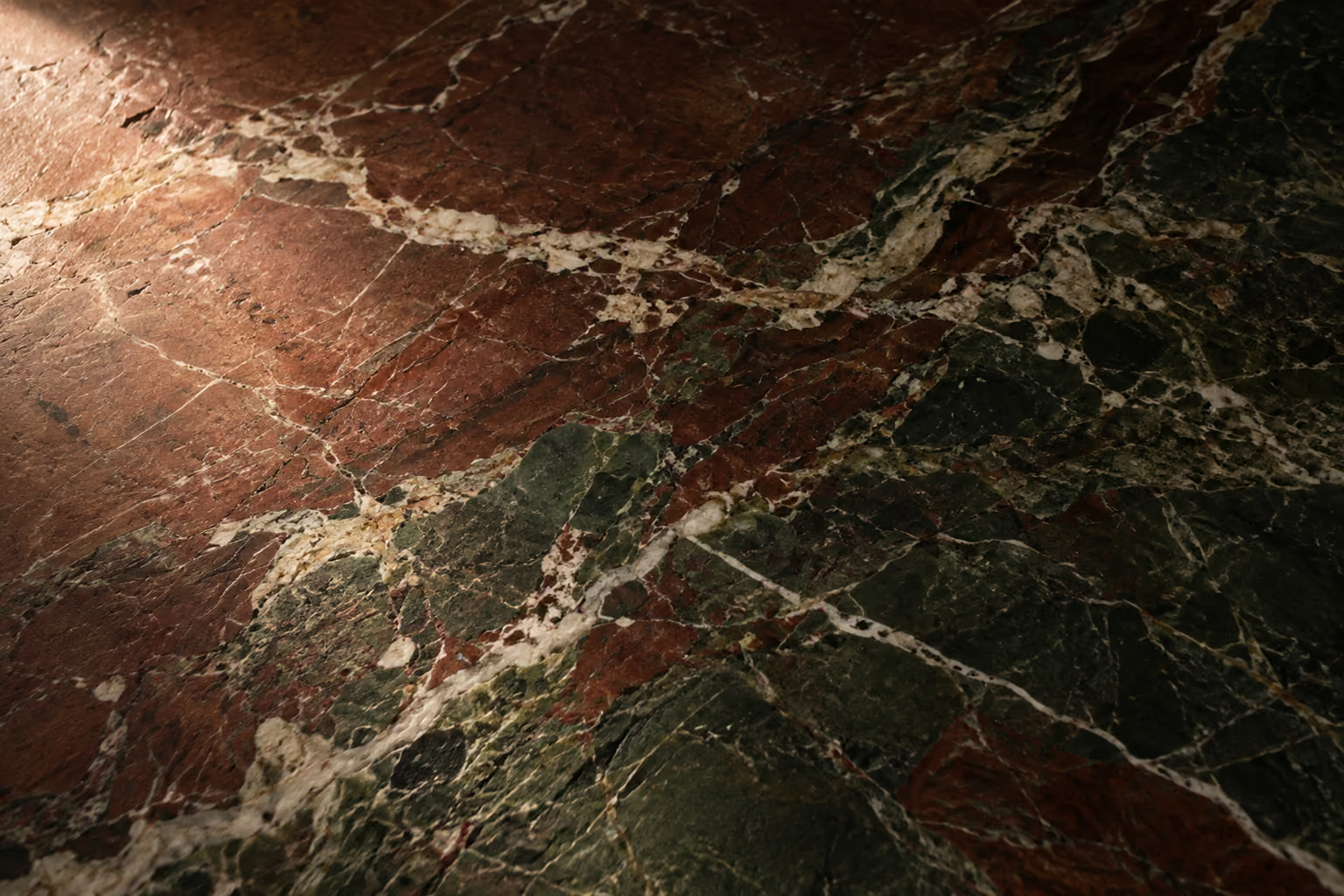
Marble - Colors
Signature Collection
Algerian coloured marble — the collection the house is built on.
Stones in this collection
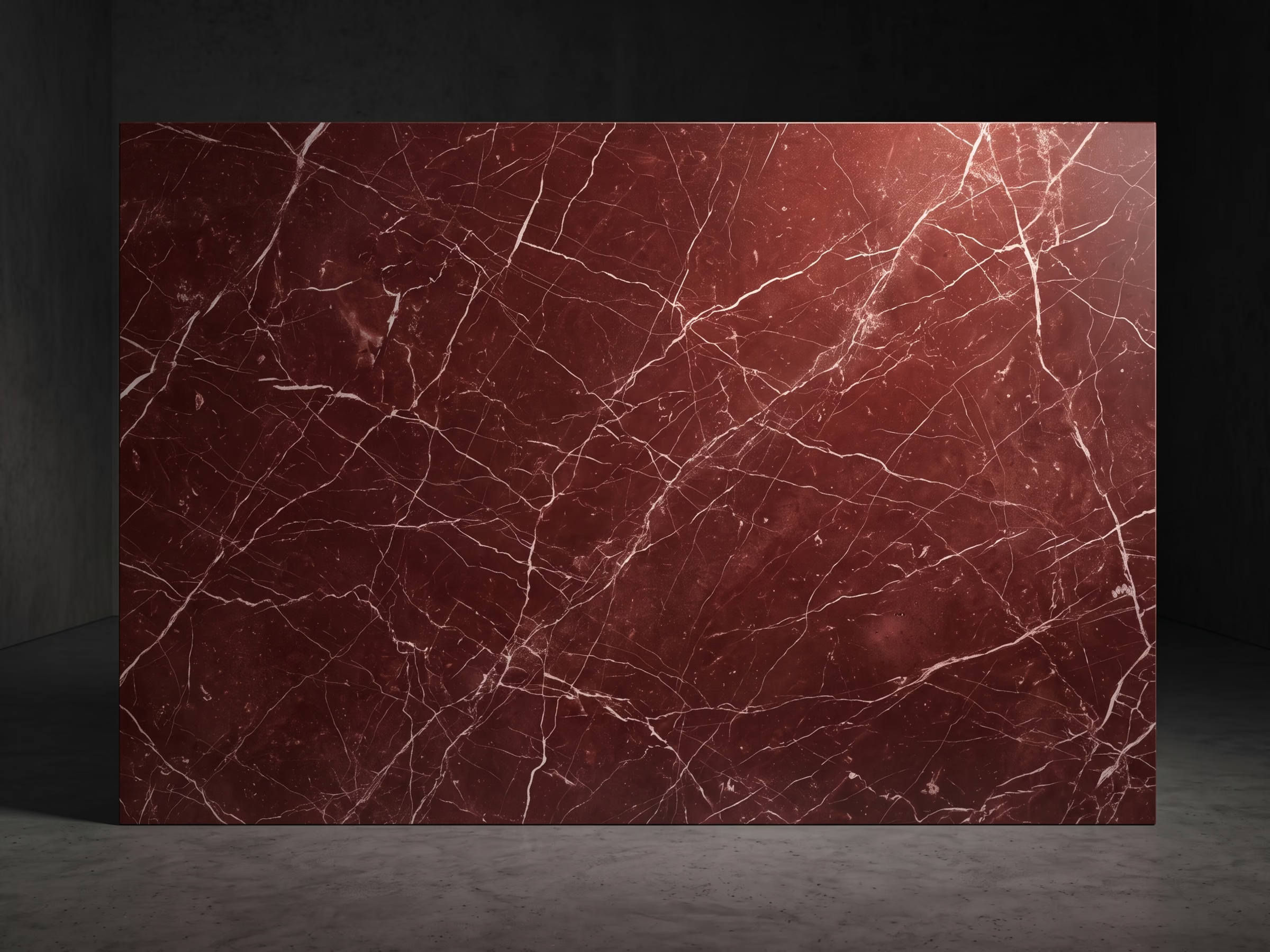
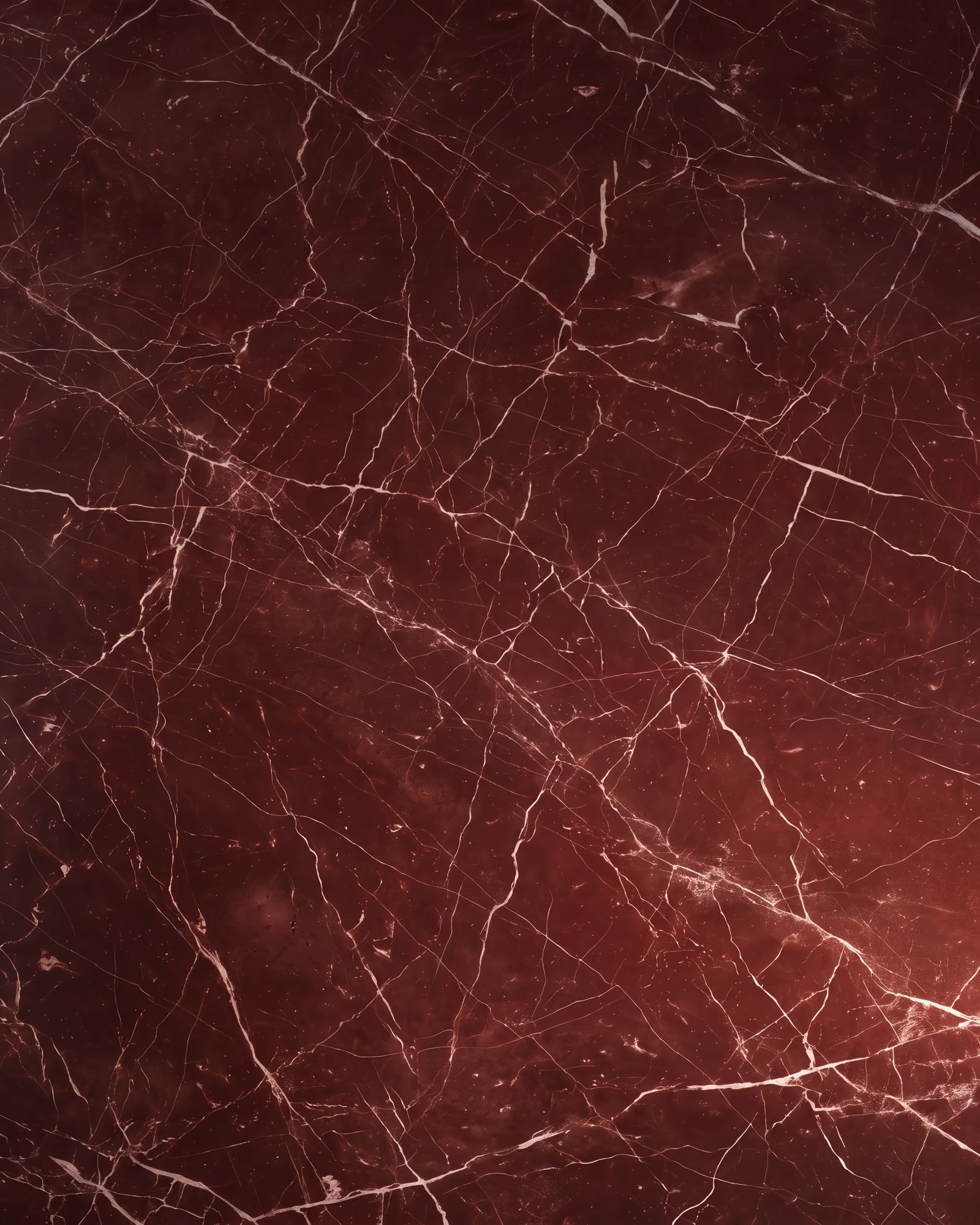
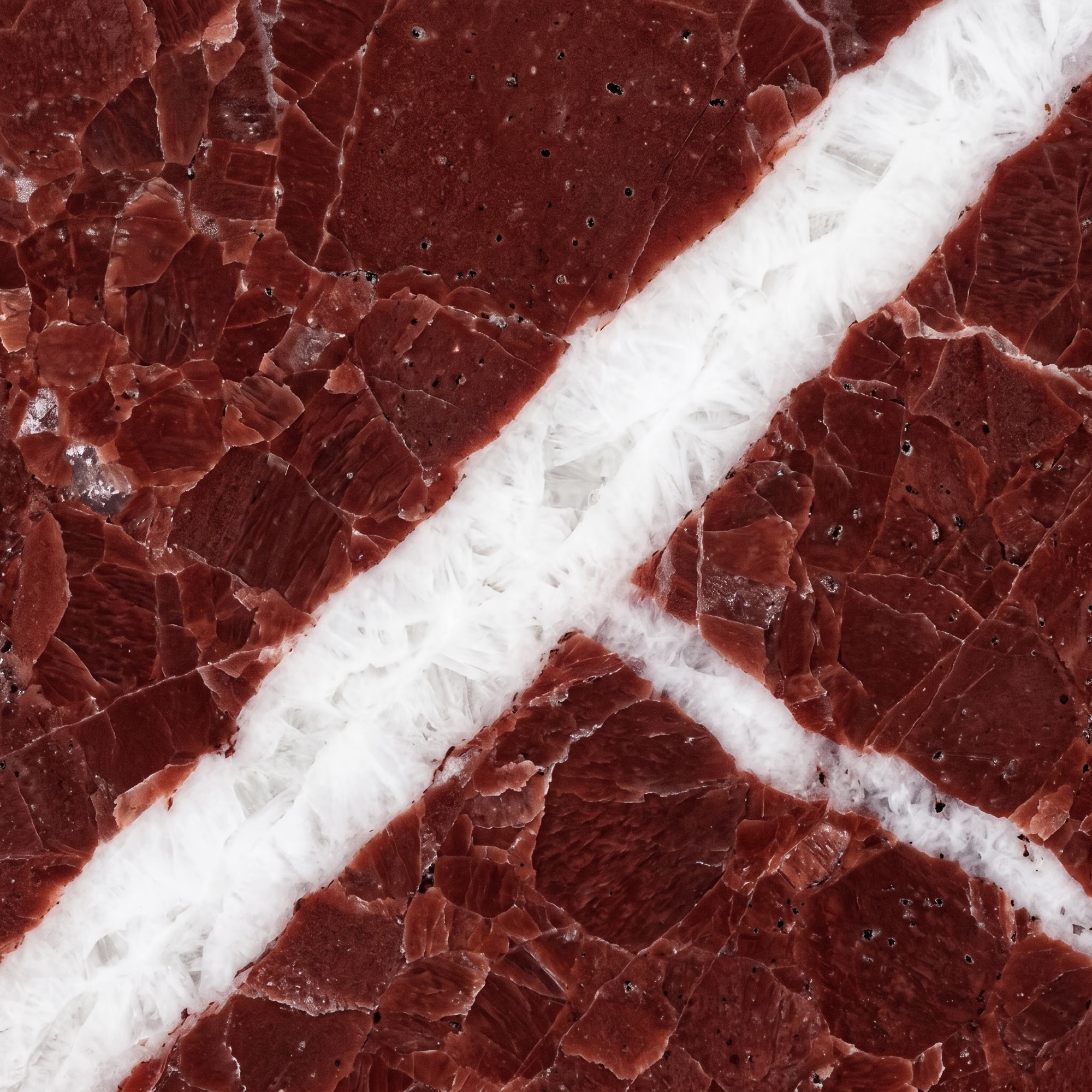
Marble · YMZ-MRB-KRD-012
KRISTEL RED
A warm red ground with white fracture veining and darker burgundy pooling.
Marble · YMZ-MRB-KRB-013
KRISTEL RED BREACH
A breccia — angular red fragments held in a pale matrix.
Marble · YMZ-MRB-KRO-014
KRISTEL ROSE
A pale rose ground, warm without being pink.
Marble · YMZ-MRB-KSR-015
KRISTEL SUN ROSE
A rose ground warmed towards apricot, with a brighter figure.
Marble · YMZ-MRB-KYL-016
KRISTEL YELLOW
A golden ground crossed by a darker figure — the warmest stone in Signature.
Marble · YMZ-MRB-IVS-017
IVORY STORM
An ivory ground torn through by dark veining — quiet colour, loud drawing.
Signature is where Algeria has something the rest of the market does not: colour.
Greens that read almost black, reds with white fracture drawing, warm neutrals that stay warm under artificial light. We select for expression first and repeatability second, because a coloured marble that has been averaged into consistency has lost the reason to specify it. What we control instead is the range: you are told what variation to expect before you commit, and the lot you approve is the lot that ships.
The collection at a glance
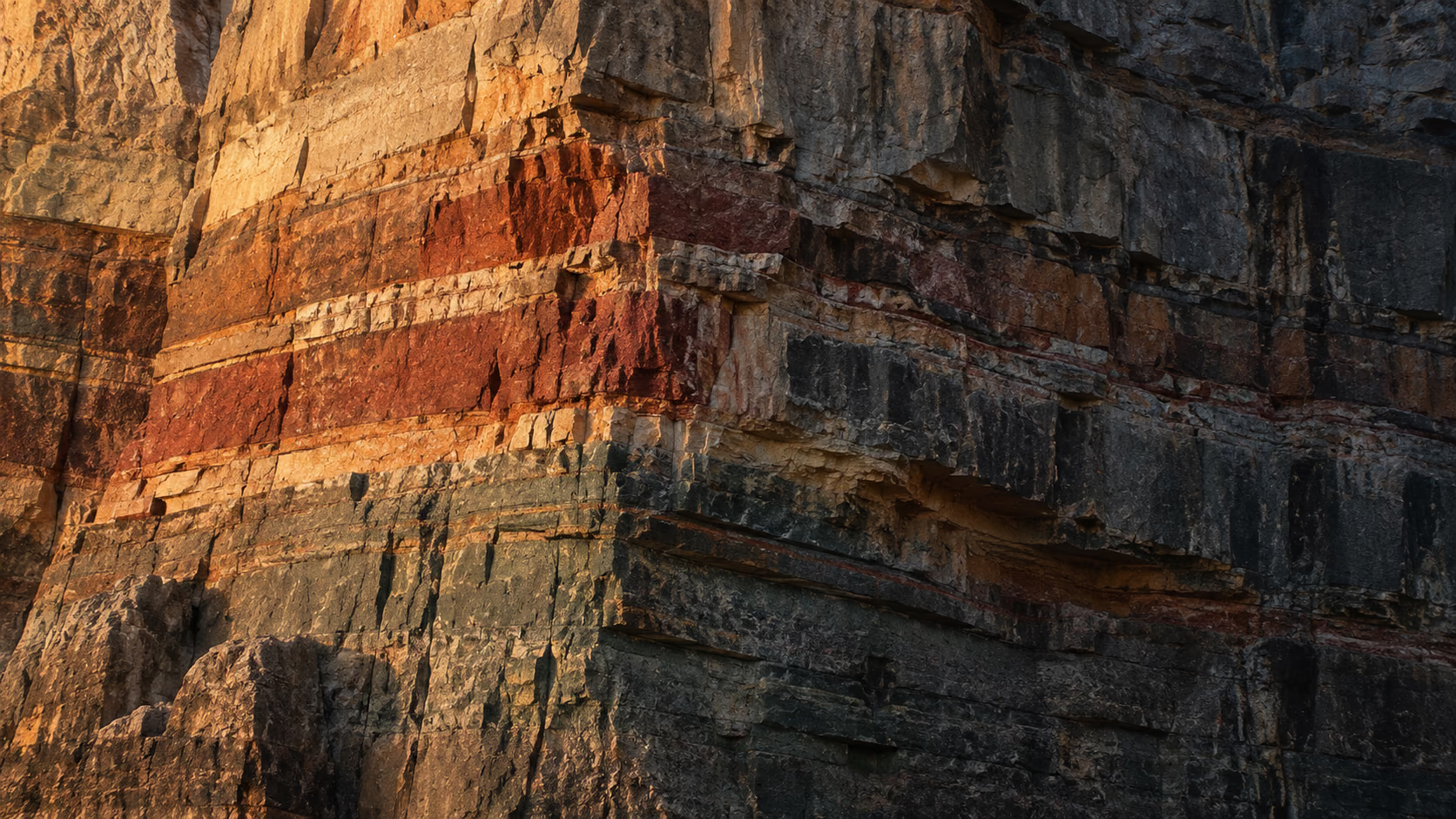
Where the colour comes from
Colour in marble is the record of what was dissolved in the water while the rock formed. Iron oxides give the crimsons and deep reds of eastern Algeria. Chlorite and serpentine give the greens of the north-east — greens that read almost black until light crosses them. Manganese and bitumen give density to the darker grounds, and white calcite, forced later into the fractures, draws the lines across all of them.
The Tell Atlas and the coastal ranges carry this geology at a scale that has barely reached international specification. That is the opportunity, and it is also the reason this house exists: the colour was always here, the chain that makes it specifiable was not.
We publish the region and nothing more precise. Site identity is a contractual position that runs both ways.
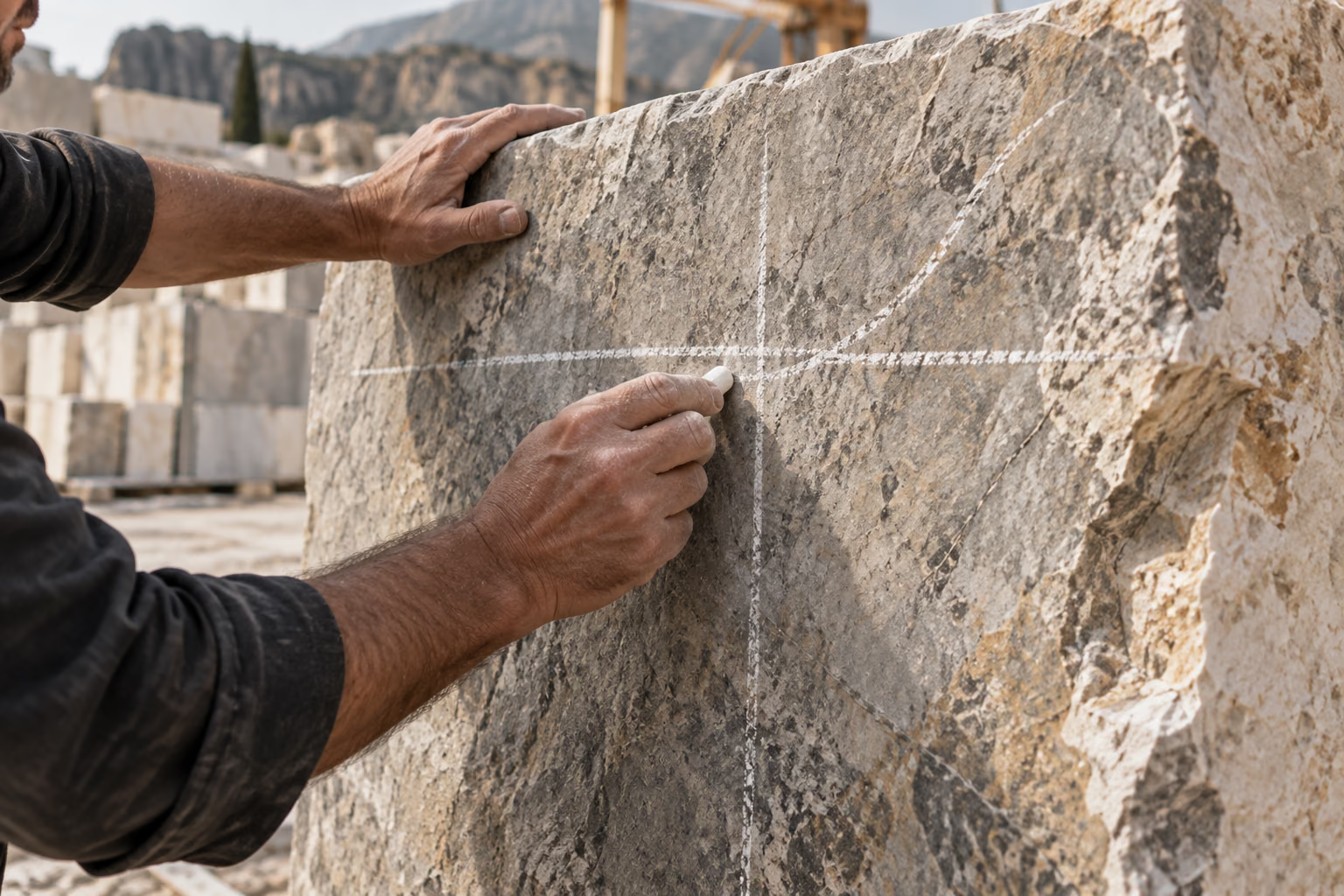
From block to finished piece
Blocks to fabricators, calibrated slabs to distributors, and finished cut-to-size delivered to drawing — edge-worked, numbered and packed in the order it will be installed.
On a coloured marble the sequence matters more than on any other family. Cut direction is decided before sawing and cannot be revisited; bookmatch needs consecutive slabs kept together and photographed as a set; a continuous vein across a wall is a supply decision taken at the block. We control all of it, which is why we can promise the wall will read as one decision.
The material
Coloured marble behaves differently from the commercial whites most specifiers know. The veining is directional, so layout is a design decision rather than an installation one. Bookmatched pairs and single monolithic faces make the material argue; running it as a general surface makes it noise. Polished, the ground gains depth; honed, it becomes dense and almost matte. Both are correct — they are different materials in the same slab.
Applications
Marble belongs on vertical surfaces, statement walls, reception and bar fronts, and in bathrooms where the traffic is domestic rather than public. On floors it wants a honed finish and a realistic maintenance conversation. It does not belong outdoors in freeze-thaw climates, and it does not belong on a worktop that will meet lemon juice without a sealing regime behind it.
Technical documents
Standard slab thicknesses are 20 mm and 30 mm, with cut-to-size available on project quantities. Variation grades V1 to V3 describe the expected range of veining and background across a lot; they are not a quality ranking. Test data is issued per lot on request rather than published as a general claim, because the number that matters is the one measured on the material you are buying.
Tell us what you are building
A specialist reviews every request. You will hear from a person, not an autoresponder.